
Community-based organizations (CBOs) play a vital role in improving health outcomes for historically marginalized populations. A new report, From Insights to Action: Strengthening Community-Based Organizations for a Healthier Future, highlights findings from a national survey examining the current state of CBOs in the evolving healthcare landscape. The survey was conducted by NORC at the University of Chicago, with support from the Pfizer Multicultural Health Equity Collective.
A New Survey Shows Community-Based Organizations Face Substantial Funding and Resource Gaps.
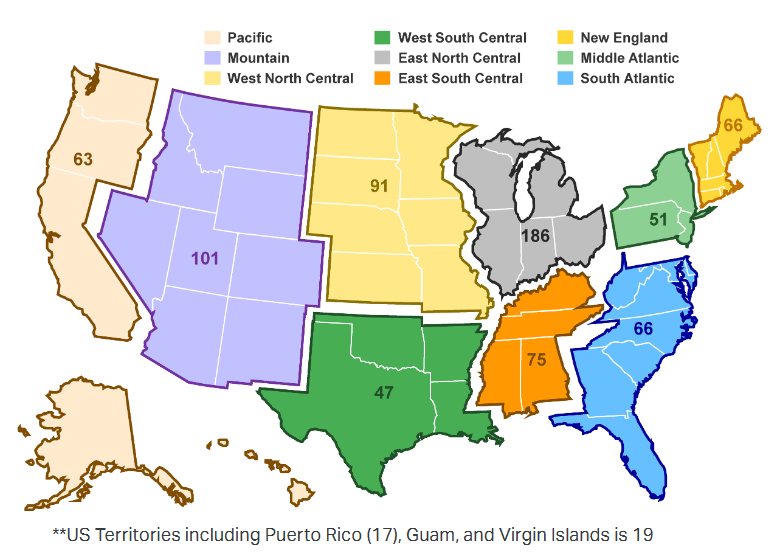
Participant Profiles: Leaders from Health-Focused CBOs Nationwide.
The web-based survey received nearly 500 responses from CBO leaders serving diverse populations across urban, suburban, rural, island, and remote areas across the U.S., Puerto Rico, and tribal nations.
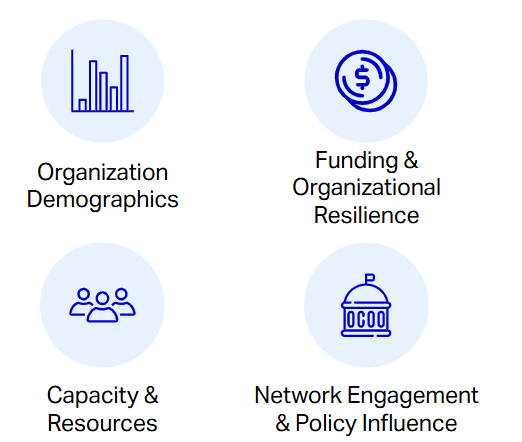
During a period of accelerating change, the survey sought to identify barriers, guide solutions, and elevate the voices of organizations that serve historically marginalized populations. The survey, guided by a Community Advisory Board comprised of eight CBO leaders that serve culturally and ethnically diverse populations, explored the following domains:
CBO Needs: Funding, Tools, and Trust.
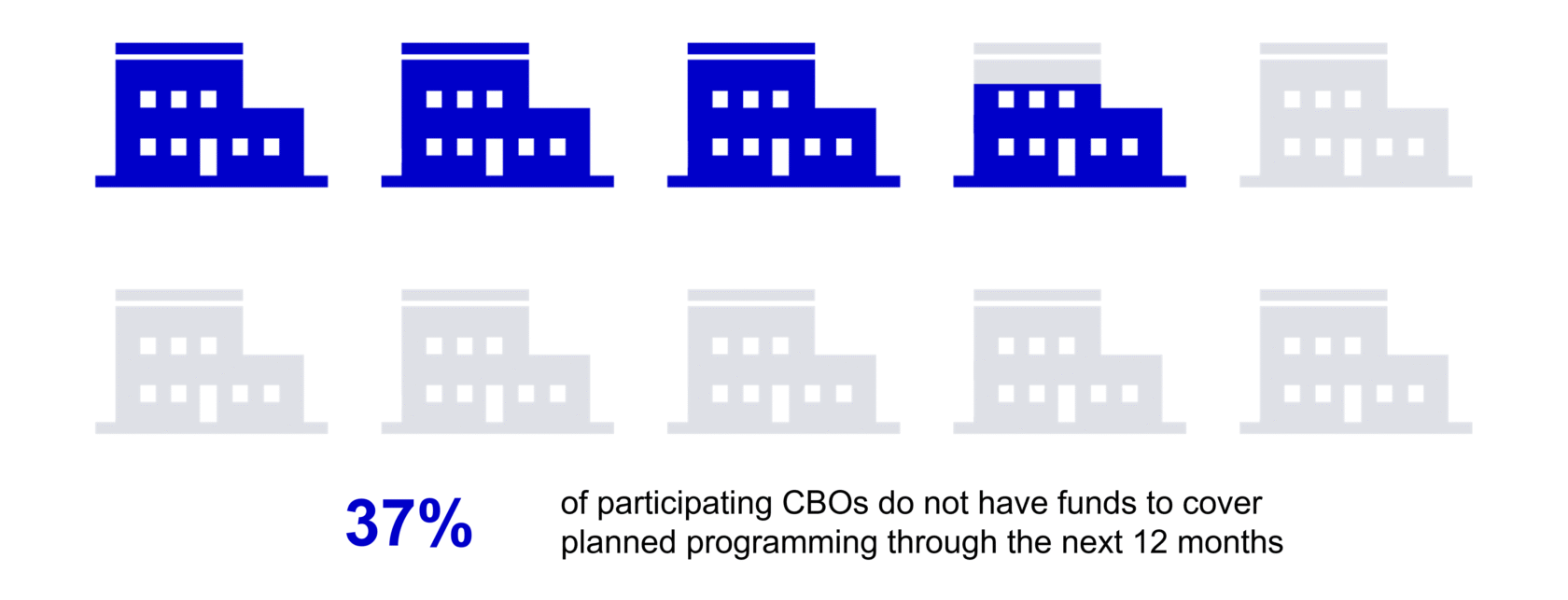
The survey revealed that CBOs face persistent and systemic challenges, most notably in unstable funding, limited access to capital, and a need for additional organizational capacity.
Funding Gaps Threaten CBO Stability.
Funding instability threatens the sustainability of programming. To address this challenge, donors have an opportunity to invest in long-term, flexible funding that supports core operations, staff retention, and strategic planning. Additionally, they can consider how to reform funding structures to ensure equitable access for smaller and under-resourced organizations.
Policy Shapes Priorities, Yet Trust Lags Behind.
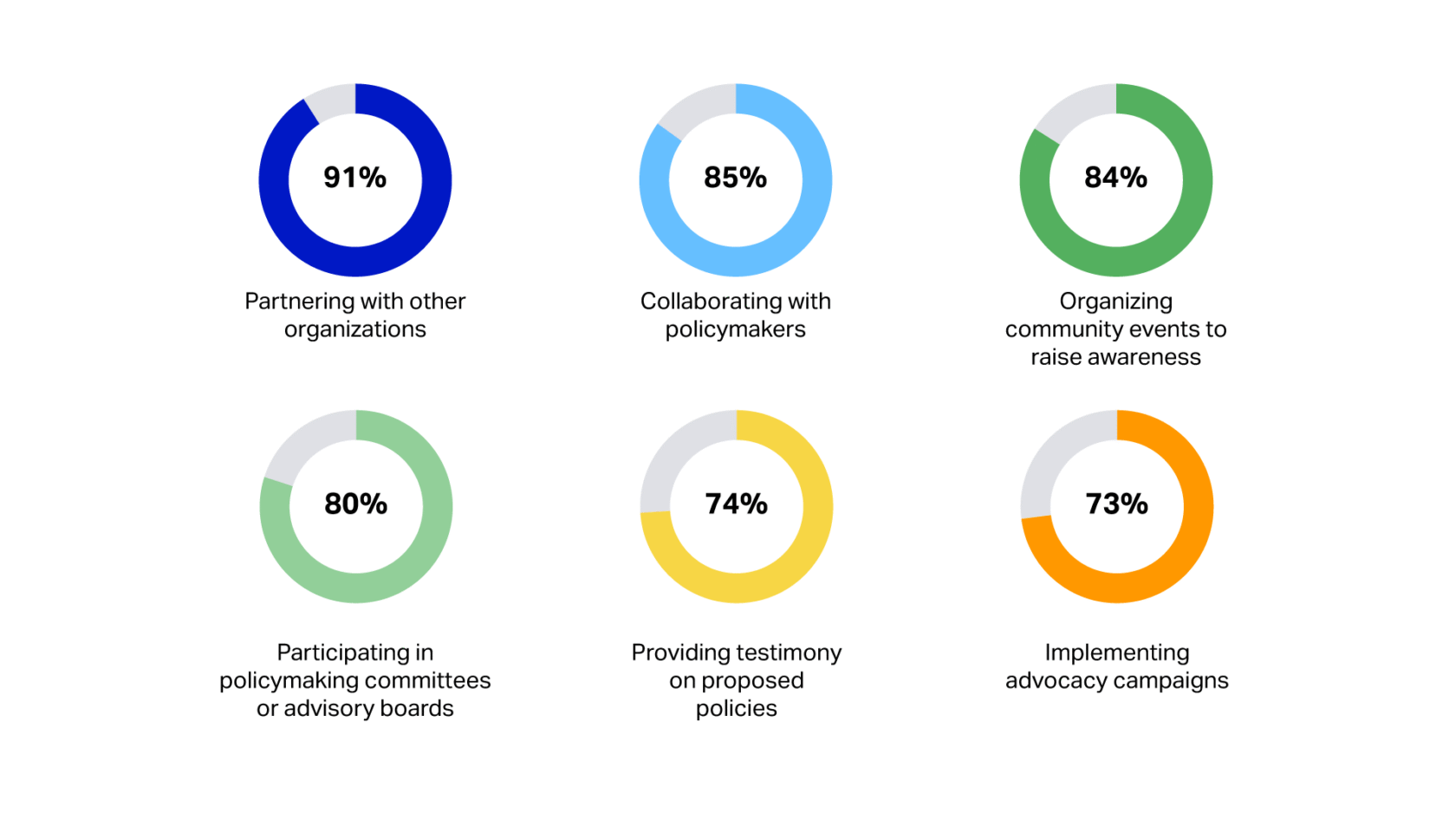
Policymakers have a meaningful opportunity to build trust with CBOs as essential partners in shaping equitable health systems and advancing health equity. This includes fostering inclusive policy partnerships by engaging CBOs in decision-making processes and building trust through transparent, bi-directional dialogue.
- 85% of CBOs report collaborating with policymakers, yet only 40% feel their voices are trusted in policymaking.
Closing the Capacity Gap: Tools to Strengthen CBOs
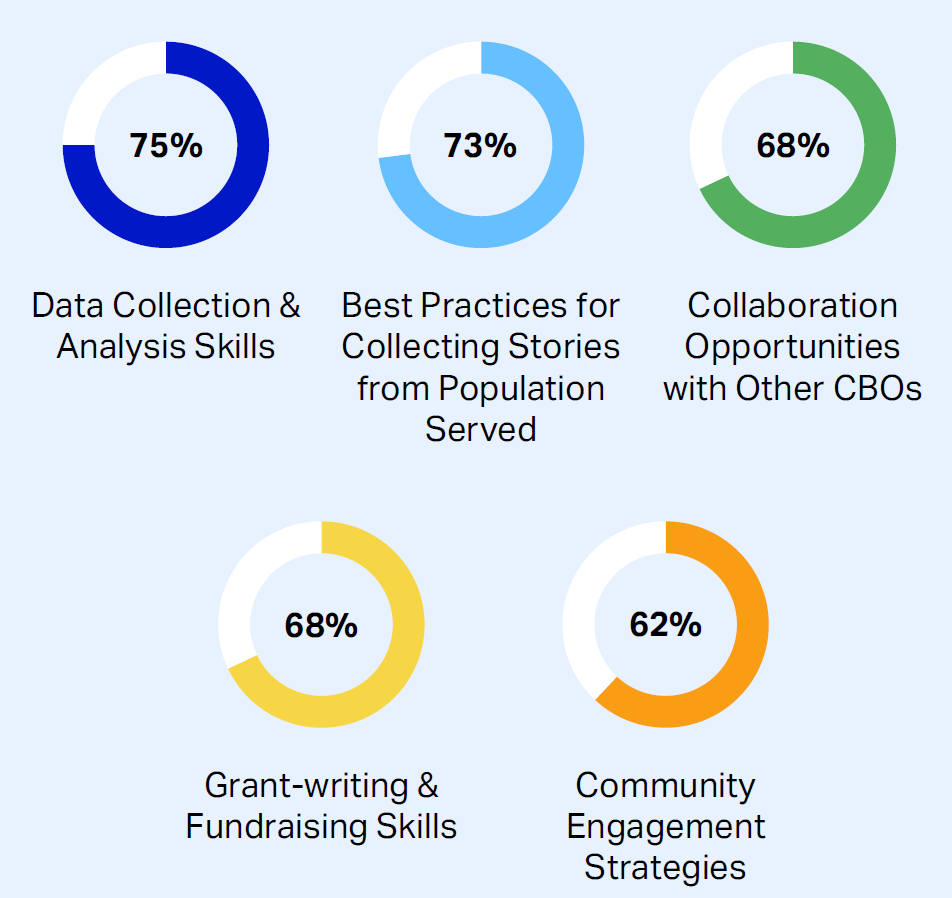
CBOs seek practical support to help build the capacity they need to collect data, show impact, and effectively communicate their progress.
- 73% want tools and best practices to help collect personal testimonies from those they serve to support storytelling.
- 68% said grant writing and fundraising training would significantly strengthen their ability to advance health equity.
Funders and collaborators can help strengthen CBOs through capacity-building grants or in-kind support for grant-writing workshops, data tools, and storytelling. These tools not only help CBOs demonstrate their impact but also enhance their ability to secure funding.

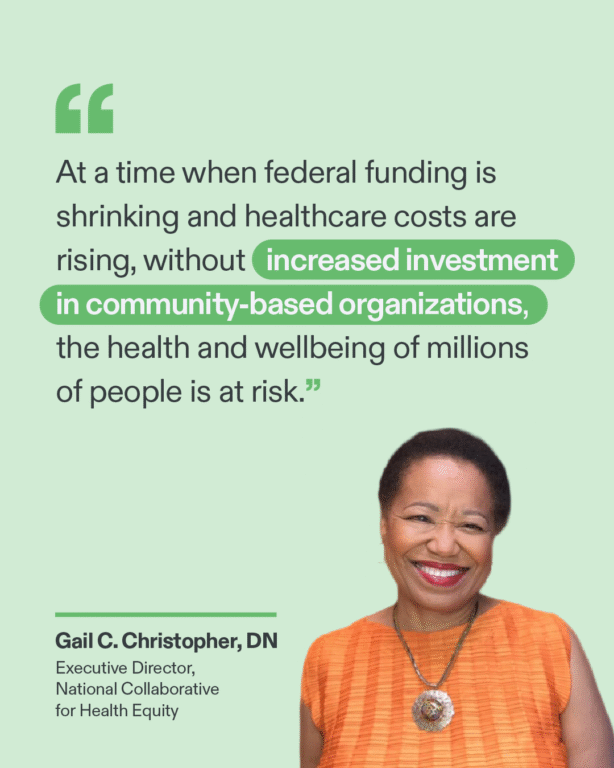
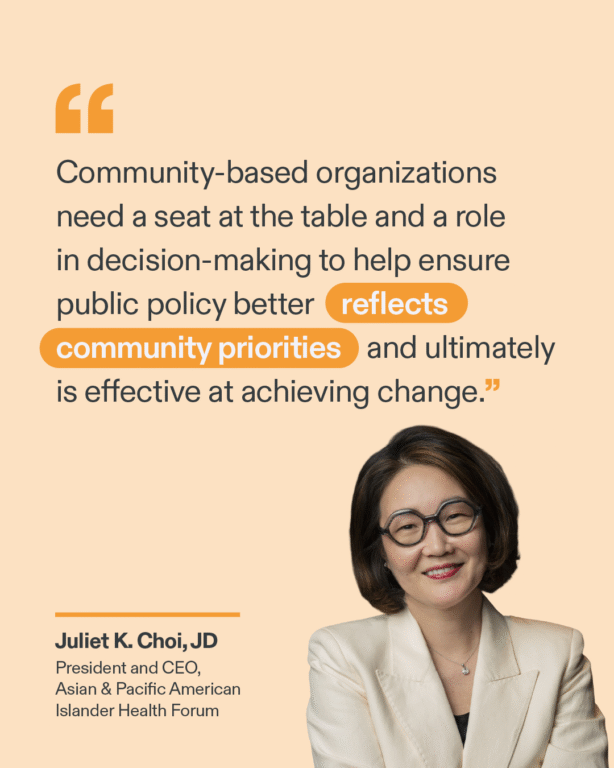
Voices from the Health Equity Field.
About the Partnership.
This research initiative is a collaboration between NORC at the University of Chicago and the National Collaborative for Health Equity (NCHE), supported by the Pfizer Multicultural Health Equity Collective (The Collective). The project sought to elevate the voices and perspectives of CBOs, helping uncover challenges they face in advancing health equity and support needed.


Explore the Full Report.
This report is a call to action for funders, policymakers, and collaborators to invest in and uplift CBOs through sustained funding, capacity-building, and fostering trust.
Social Media Toolkit.
Help us spread the word about these critical findings! Download our comprehensive Social Media Toolkit, which includes pre-drafted posts, key messages, and visual assets. This toolkit makes it easy for you to share the report and its most important insights across your social channels.