A Call for Unity and the Power of Racial Healing

The National Collaborative for Health Equity (NCHE), in partnership with Burson, is proud to present the 3rd Annual Heart of America Survey. This year’s findings offer a compelling counter-narrative to prevailing cynicism, revealing a strong and growing desire for unity, empathy, and racial healing across the nation.

The 2025 Heart of America Survey reveals a nation ready to move forward, fueled by a shared commitment to racial healing and a profound belief in our collective capacity to build a more unified and just future. This report serves as a vital roadmap, highlighting the pathways to genuine progress through dialogue, empathy, and a commitment to addressing systemic barriers.

Previous Heart of America surveys are archived at the Roper Center for Public Opinion Research.
Heart of America - Annual Survey

Among the findings were that...

Decorative: Icon
Building Bridges - Empathy, Respect, and Community

Americans are actively seeking deeper human connection and trust

89%

+11% from 2023

An overwhelming 87% are hungry to feel they belong, connected to each other, and to trust each other again. This widespread yearning for shared humanity fosters environments where diverse perspectives can coexist and thrive.

Decorative: Icon

+9% from 2023

This desire for connection translates into a growing sense of community, with 52% feeling a strong sense of community in their neighborhood.


Americans are committed to fostering respectful dialogue

87%

+3% from 2024

A majority agree transforming America requires every single one of us to be able to look at another American and see a part of ourselves

TOTAL
STRONGLY AGREE
100
TOTAL
38
STRONGLY AGREE
2023
100
40
2024
100
41
2025

The emphasis on empathy and respect is further highlighted by the significant number of Americans who prioritize open-mindedness


45%

Feeling respect for someone – even if they don’t share your same political beliefs – is essential for our society to work at its best

41%

I don’t care about my neighbors’ political views as long as they are good people.

Americans are increasingly seeking deeper human connection and trust, this growing desire for belonging and community, coupled with the recognition that respecting diverse perspectives is essential for societal well-being. The National Collaborative for Health Equity is dedicated to cultivating environments where empathy and mutual respect bridge divides, believing that a truly connected society is fundamental to achieving a thriving nation for all.

Decorative: Icon
Immigration - A Call for Fair Process and Balanced Solutions

As a nation built by immigrants, America continues to grapple with complex questions surrounding its borders and identity.

A powerful consensus on fundamental American values shows a significant majority, 73%, believe that all immigrants, regardless of their legal status, deserve fair legal treatment. This includes 43% who strongly agree, underscoring a deepseated commitment to justice and fairness that transcends political divides.

TOTAL
AGREE
STRONGLY
AGREE
73
TOTAL
AGREE
43
STRONGLY
AGREE
Total
69
42
White
81
47
POC
71
41
Women
75
45
Men
78
44
<50 years old
67
42
50+ years old

Americans demonstrate a nuanced understanding of immigration, seeking a
balanced approach that acknowledges both humanitarian concerns and national security.

84%

An overwhelming majority agree the U.S. needs to find a balance between welcoming immigrants and ensuring border security.

88%

Democrats

80%

Republicans

Even among the 81% who perceive America as deeply divided…

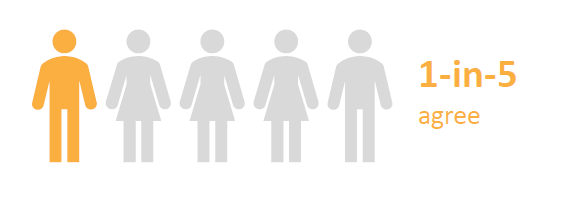
While a significant portion (20%) identifies improving the nation’s capacity to manage the immigration process quickly and thoroughly as a top priority, the overarching desire is for a system rooted in fairness and practicality.

A powerful consensus exists on the fundamental American value that all immigrants deserve fair legal treatment. This perspective drives a nuanced desire for a balanced immigration approach, integrating humanitarian concerns with national security, and aiming for a system rooted in fairness and practicality.

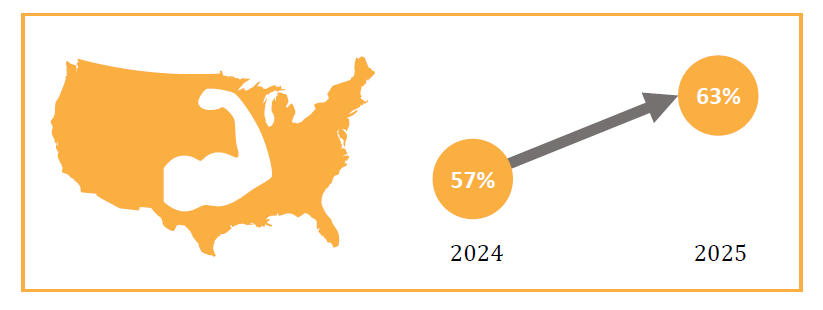
63% of Americans believe immigration strengthens the United States

Beyond policy debates, Americans increasingly recognize the benefits that immigration brings to the nation. A growing majority view immigration as a source of strength: 63% of Americans believe immigration strengthens the United States, a notable increase from 57% in 2024. This positive perception underscores the understanding that immigrants are not just new residents, but active contributors to the vitality of American society.

Immigrants are seen as integral to the very essence of American identity and progress.

82%

A significant 82% believe that immigration is an important part
of American history and culture

43%

of African Americans strongly agree

47%

of Hispanic/Latino Americans strongly agree

This recognition extends to Americans’ feeling about how immigration plays an active role in society and the economy

TOTAL AGREE
STRONGLY AGREE
76
TOTAL AGREE
37
STRONGLY AGREE
Immigrants contribute
positively to American
society
77
41
Immigrants contribute to
the American economy

These perceptions highlight a deep-seated belief in the power of integration and the continuous renewal of the American spirit through diverse contributions.

Beyond policy debates, these insights reveal a profound and growing recognition among Americans of immigration’s integral role in strengthening the nation. The increasing belief that immigrants are active contributors and highlights a powerful and evolving understanding of how diverse contributions continuously renew the American foundation. The National Collaborative for Health Equity affirms that fostering an inclusive society, where the contributions of all are valued, is fundamental to achieving a healthier and more equitable future for all Americans.

Decorative: Icon
Foundations for Healing - Bipartisan Consensus on Diversity and Education

True racial healing begins with a commitment to equitable opportunities and an honest reckoning with our past.

Despite often-polarized public discourse, a strong and consistent consensus emerges on these foundational elements of racial healing. Americans across the political spectrum overwhelmingly recognize the vital importance of promoting diversity in the workplace and educating children on the history of race and racism in America as fundamental first steps towards building a more just and unified society.


% believe that promoting diversity in the workplace is important
to heal the harm racism has had on our country.

Total
78%
Democrats
89%
Republicans
70%
People of Color
81%
White Americans
77%

Equally crucial is education

83%

An overwhelming 83% of Americans feel that educating children on the history of race and racism in America is important for racial healing.

TOTAL
STRONGLY AGREE
100
TOTAL
90
STRONGLY AGREE
Democrats
100
78
Republicans

Perceived Importance for Racial Healing

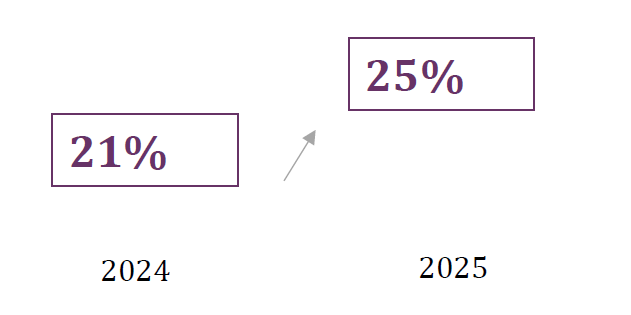
In 2024, 21% believed open dialogues about race was of top importance for racial healing, that has increased to 25% as of today.

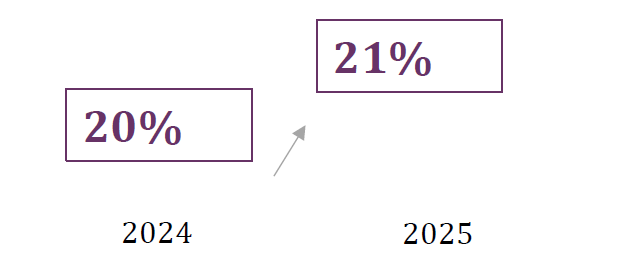
In 2024, 20% believed promoting diversity and education was of top importance for racial healing, that has increased to 21% today.

Decorative: Icon
Addressing Systemic Barriers - Pathways to Economic and Social Justice

Americans recognize the need to address systemic barriers for racial healing

53%

believe inequality is a result of individual choices and merit

47%

believe inequality is systematic, acknowledging inherent disadvantages for certain groups

This nuanced understanding highlights public awareness of structural inequities.


This awareness translates into broad and growing support for concrete actions


Similarly, 77% see the importance of enacting policies to reduce racial segregation in housing, and 74% believe improving representation of people of color in the media is crucial.

Even on historically complex issues like reparations payments to the descendants of enslaved Americans, a notable 56% now consider this important for healing.

TOTAL IMPORTANT
VERY IMPORTANT
88%
All voters can vote
60%
77%
Anti-racial segregation policy
41%
74%
Better POC media representation
36%
56%
Reparations payments
27%

A clear recognition of systemic barriers to racial healing is evident, reflecting a nuanced understanding of structural inequities and their impact. This awareness translates into broad and expanding support for concrete actions aimed at achieving economic and social justice.

Decorative: lower Angle

Methodology...

Burson conducted 1301 online interviews from May 30- June 9, 2025, on behalf of the National Collaborative for Health Equity among adults nationwide. All respondents were 18 years old or older and included oversamples of young voters and voters of color to ensure adequate representation within the survey. The margin of error at the 95% confidence level was ±2.72 percentage points (and higher among subgroups).