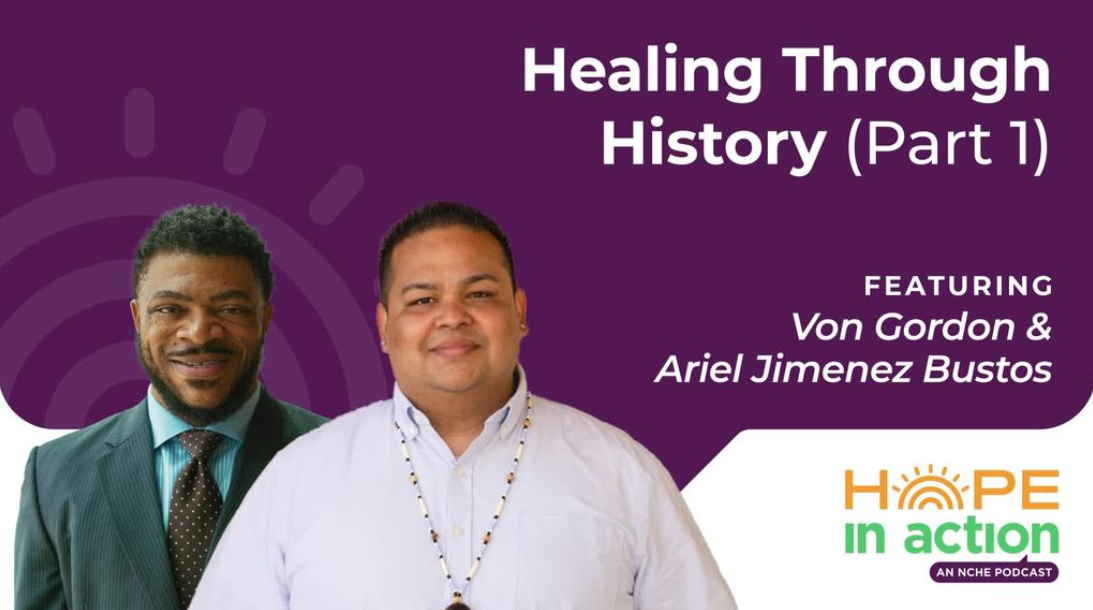
Celebrating the 10th National Day of Racial Healing with our new podcast series: Hope in Action.

Hope in Action Podcast Series

Town Hall - Communities Creating Safety and Security: What Works

Read More

Heart of America Annual Survey: A Call for Unity and the Power of Racial Healing

Learn More

Selma Jubilee 2025

Read More

HOPE Initiative Update: Explore the refreshed HOPE Initiative website featuring the 2024 indicator updates!

Read More

NCHE 2024 Convening - Embracing Our Shared Humanity: Bridging Perceived Divides

Read More
Close Bar
National Collaborative for Health Equity - Communities Working Together for Racial and Health Equity
  • About Us
    • History & Mission
    • Staff
  • Our Work
    • Leadership Support
      • Culture of Health Leadership Institute for Racial Healing
      • Culture of Health Leaders
      • Collaboratives for Health Equity (CHE).
    • Data Tools & Resources
      • The Health Opportunity and Equity (HOPE) Initiative
      • Leveraging Health Opportunity and Equity
      • Transform Public Health Data Systems (TPHD)
      • 3rd Annual Heart of America National Survey: The Power of Racial Healing
    • TRHT
      • Mapping Support for TRHT
      • TRHT Places
      • Healing Through Policy
  • Resources
    • TRHT
    • Leadership Support
    • Data Tools & Resources
    • Narrative Change
    • Racial Healing & Relationship Building
    • Separation
    • Law
    • Economy
    • Food Security
    • Criminal Justice
    • Environmental Justice
    • Health Equity
    • Racial Equity
    • Publications
    • Town Hall Recap & Resources
    • Hope in Action Podcast Series
  • Contact Us
  • Donate
  • Search
Resources » Who Benefits from Gentrification?

Who Benefits from Gentrification?

November 17, 2017

By Peter Dreier

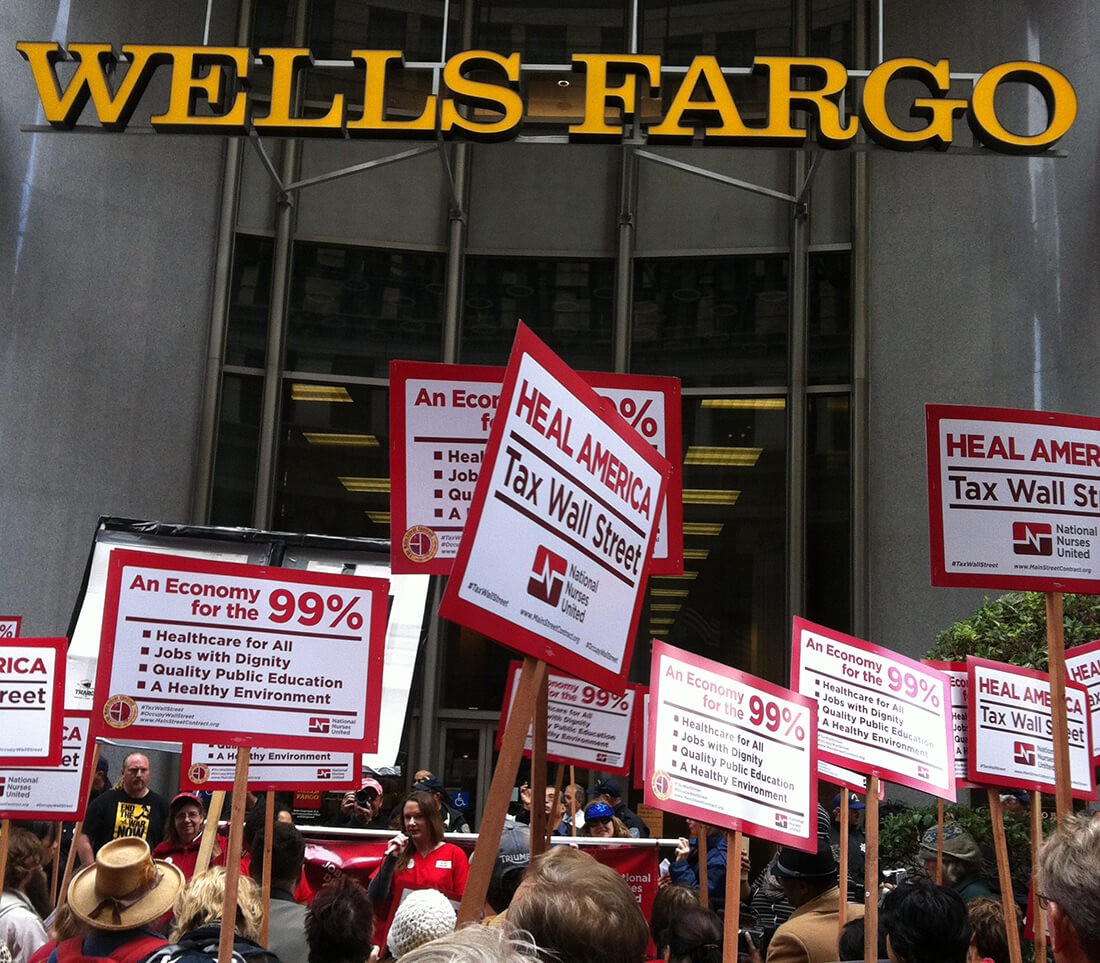
When affluent people compete with poor people for a scarce supply of housing, guess what happens? Home prices and rents go up, and the poor are pushed out. In a nutshell, that’s the formula that fuels gentrification.

Most news stories about gentrification focus on symptoms rather than the causes. To put a human face on gentrification, journalists typically report on upper middle-class professional couples looking to buy or rent a home in a city where they can be close to work, public transit and amenities. As more people like them move into the area, commercial rents escalate and new retail businesses — coffee shops, art galleries, clothing stores, gourmet cheese shops, yoga studios and others — replace long-standing local family-owned businesses.

The news stories typically juxtapose those “gentry” with lower income working class families who can no longer afford to live in a neighborhood that they — and perhaps their parents and grandparents — inhabited for decades, even generations. They are pushed out of their communities, displaced from friends, family, neighbors, churches and other social ties. They often wind up living far away, paying much more for rent in a more crowded dwelling, typically a long distance from their jobs, with the emotional scars that come with being displaced persons, like refugees.  (Read more)

Related Resources & News.

July 16, 2026

The Use of Force Has Become a ‘Default Tool’ for ICE officers, a New Report Finds

Read More
June 25, 2026

NATIONAL COLLABORATIVE FOR HEALTH EQUITY URGES PUBLIC ACTION TO CHALLENGE PROPOSED OMB OVERHAUL OF FEDERAL GRANTMAKING RULES

Read More
June 22, 2026

NCHE Unveils Major Policy Paper Highlighting Five Years of Community-Led Racial Healing Efforts

Read More
June 3, 2026

Cultivating Health Through Shared Prosperity and Street Food

Read More
May 28, 2026

AI Hiring Tools Can Yield Racial Bias and Systemic Rejection

Read More
April 30, 2026

NCHE RELEASES THIRD EPISODE OF HOPE IN ACTION PODCAST EXPLORING RACIAL HEALING AND HUMAN DIGNITY

Read More
April 20, 2026

DR. GAIL C. CHRISTOPHER REFLECTS ON FIVE DECADES OF ADVOCACY FOR BLACK MATERNAL HEALTH AT BLACK MATERNAL HEALTH CONFERENCE

Read More
April 9, 2026

Meeting the Moment: Building a Bigger We and Communicating Across Difference

Read More
April 7, 2026

Georgia Bans Many Midwives from Practicing. Now, Several Are Suing the State.

Read More

Subscribe to Our Newsletter.

National Collaborative for Health Equity - Communities Working Together for Racial and Health Equity
Decorative: Map Marker Icon
740 Fifteenth Street, NW
3rd Floor
Washington DC 20005
Decorative: Email Icon nche@nationalcollaborative.org
Decorative: Phone Icon (202) 765-2500
Decorative: Fax Icon (202) 765-2400
  • About Us
    • Leadership Support
    • Data Tools & Resources
    • TRHT Movement Building
  • Resources
  • Publications
  • Contact Us
  • Donate
© Copyright 2026 National Collaborative For Health Equity. All Rights Reserved.
Powered By: David Taylor Digital | Digital Marketing Agency